
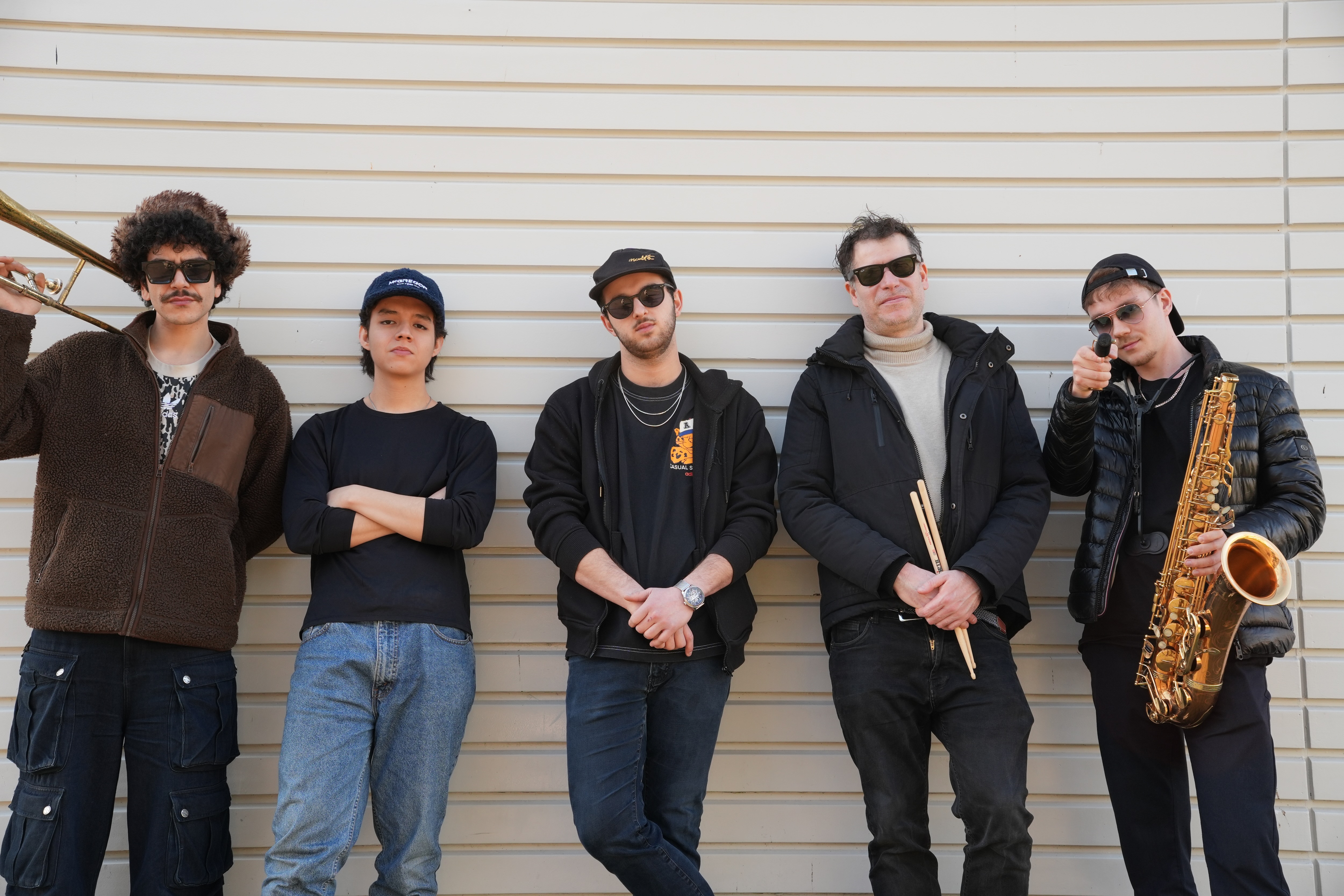
Over Maastricht Jazz Collective
The Maastricht Jazz Collective is an organic project born out of the academic effervescence of the Netherlands, offering a rediscovery of contemporary jazz through a unique cultural lens. At the heart of their sound lies a powerful fusion: the sophistication of modern jazz harmony meets the raw, untamed Balkan spirit. The group's repertoire is a celebration of rhythmic complexity and soulful musical storytelling, where traditional Eastern European influences infuse fire into structured Nordic jazz arrangements. This is jazz with a "restless heart and a wandering soul" — a bridge between academic mastery and the visceral pulse of their roots.
The ensemble's concert activity already spans major European stages. After captivating audiences last year at prominent festivals such as Garâna Jazz Festival (RO), Jazz in the Park (RO), Laren Jazz Festival (NL), and Transilvania Jazz Festival Ed. XIX (RO), the year 2026 has marked a meteoric rise. In February, the group won the Grand Prix at the Maastricht Jazz Awards, a milestone followed by an exceptional tour in Romania (at Urban Blues Fest #7 and the emblematic clubs Green Hours and JazzBook), where they received an enthusiastic response from the audience. The impact of these appearances was further solidified by significant media interest, with the group being invited for interviews and airplay on reference radio stations such as Radio România Muzical, Radio Cluj, and the Dutch platform inJazz. Looking ahead, their presence is confirmed at other prestigious upcoming events, including the Jeker Jazz Festival (NL), as well as return appearances at both the Laren Jazz Festival (NL) and the Transilvania Jazz Festival Ed. XX (RO).
Through this rare fusion of academic rigor and visceral passion, the Maastricht Jazz Collective builds bridges between cultures and generations. Every concert is an invitation to introspection and proof that music can transform the atmosphere of a modern city into a profound spiritual experience. With a heart beating to the rhythm of the Balkans and a mind shaped by Western jazz, the ensemble is becoming an increasingly relevant voice on the current European landscape.